The water is 45 degrees. You're standing at the edge of the tub, toes curled, every cell in your body screaming at you not to get in. Your brain is firing every excuse it has: "Tomorrow. You're tired. It's too early. This is stupid." And in that two-second gap between wanting to quit and choosing to step in, you find out exactly what kind of man you are.
Cold exposure isn't a wellness trend. It's an ancient practice with hard science behind it, and it does something to men that no supplement, motivational podcast, or pre-workout ever will: it forces you to override your survival instinct with conscious choice. That's where mental toughness lives.
WHAT COLD ACTUALLY DOES TO YOUR BODY
When cold water hits your skin, your sympathetic nervous system fires hard. Heart rate spikes. Blood vessels constrict. Breathing accelerates. This is the cold shock response, and it's the same fight-or-flight cascade your ancestors experienced when facing a predator. But here's where it gets interesting.
Within seconds, your body releases a massive surge of norepinephrine — a neurotransmitter that sharpens focus, elevates mood, and reduces inflammation. A 2000 study published in the International Journal of Circumpolar Health found that regular winter swimmers showed a 200-300% increase in norepinephrine after cold water immersion. Unlike caffeine, which borrows energy from later and leaves you crashing, norepinephrine from cold exposure stays elevated for hours with no rebound.
Cold exposure also activates brown adipose tissue — brown fat. Unlike white fat (the stuff you're trying to lose), brown fat generates heat by burning calories. Research from Dr. Andrew Huberman's lab at Stanford has shown that deliberate cold exposure can increase metabolic rate, improve insulin sensitivity, and convert a percentage of sluggish white fat into metabolically active beige fat over time.
"Deliberate cold exposure is one of the very few behaviors that causes a lasting increase in dopamine — comparable to what you'd see from certain pharmaceuticals, but without the crash." — Dr. Andrew Huberman
THE VAGUS NERVE CONNECTION
Your vagus nerve is the longest cranial nerve in your body, running from your brainstem to your gut. It's the main highway of your parasympathetic nervous system — the "rest and digest" mode that calms you down after stress. Men with higher vagal tone recover faster from stress, sleep better, digest food more efficiently, and have lower baseline anxiety.
Cold exposure is one of the most effective ways to strengthen vagal tone. When cold water contacts your face, neck, and chest, it triggers the mammalian dive reflex — an automatic response that slows your heart rate and activates the parasympathetic branch. Over time, this trains your nervous system to shift from stress to calm faster. The man who takes cold showers every morning isn't just building willpower. He's literally upgrading his stress response hardware.
COMFORT IS THE REAL ENEMY
Central heating. Hot showers. Climate-controlled offices. Memory foam mattresses. The modern environment has eliminated almost every form of physical discomfort from daily life. And while that sounds like progress, the downstream effect is devastating: men who have never been uncomfortable don't know how to handle discomfort when it shows up uninvited — in their careers, their relationships, their health.
Wim Hof — the Dutch athlete who holds multiple world records for cold exposure — puts it bluntly: "The cold is merciless but righteous." His method, validated by a 2014 study at Radboud University, demonstrated that practitioners could voluntarily influence their autonomic nervous system and immune response — something previously thought impossible by mainstream medicine.
Voluntary discomfort builds what psychologists call "stress inoculation." Small, controlled doses of stress make you more resilient to larger, uncontrolled stressors. Cold water is the simplest, cheapest, most accessible form of voluntary discomfort available. No gym membership. No equipment. Just a shower knob and the decision to turn it.
THE PRACTICAL PROTOCOL
Week 1: At the end of your normal warm shower, turn the water to the coldest setting for 30 seconds. Breathe through it. Slow, deep inhales through the nose, full exhales through the mouth. That's it. Thirty seconds. You can survive thirty seconds of anything.
Week 2: Extend to 60 seconds. Start noticing the shift: the first 15 seconds are the hardest. After that, your body adapts and the cold becomes almost neutral. That adaptation window is where the norepinephrine surge happens.
Week 3-4: Work up to 2 minutes. If you want to go further, start your shower cold instead of ending cold. This eliminates the "warm buffer" and makes you face the discomfort immediately — no easing in. Huberman recommends aiming for 11 total minutes of cold exposure per week, distributed across sessions.
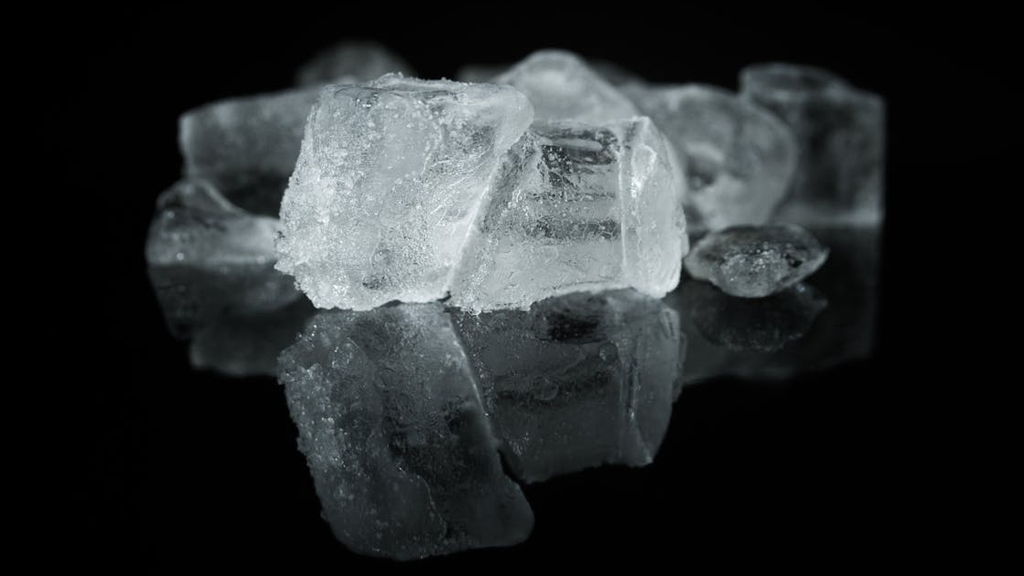
Advanced: Cold plunges at 38-50 degrees Fahrenheit for 2-5 minutes. Ice baths. Cold lakes. Get a chest freezer, fill it with water, add a submersible pump for circulation. Total cost: about $150. That's cheaper than a month of most supplements that don't work.
YOUR MOVE
Tomorrow morning, at the end of your shower, turn the knob all the way cold. Count to thirty. Don't gasp. Breathe. Control the one thing you can control: your breath. When you step out, notice how alert you feel. Notice the clarity. Notice that the day feels different when you've already done something hard before breakfast. That feeling? That's what being alive is supposed to feel like. You've just been numb to it.