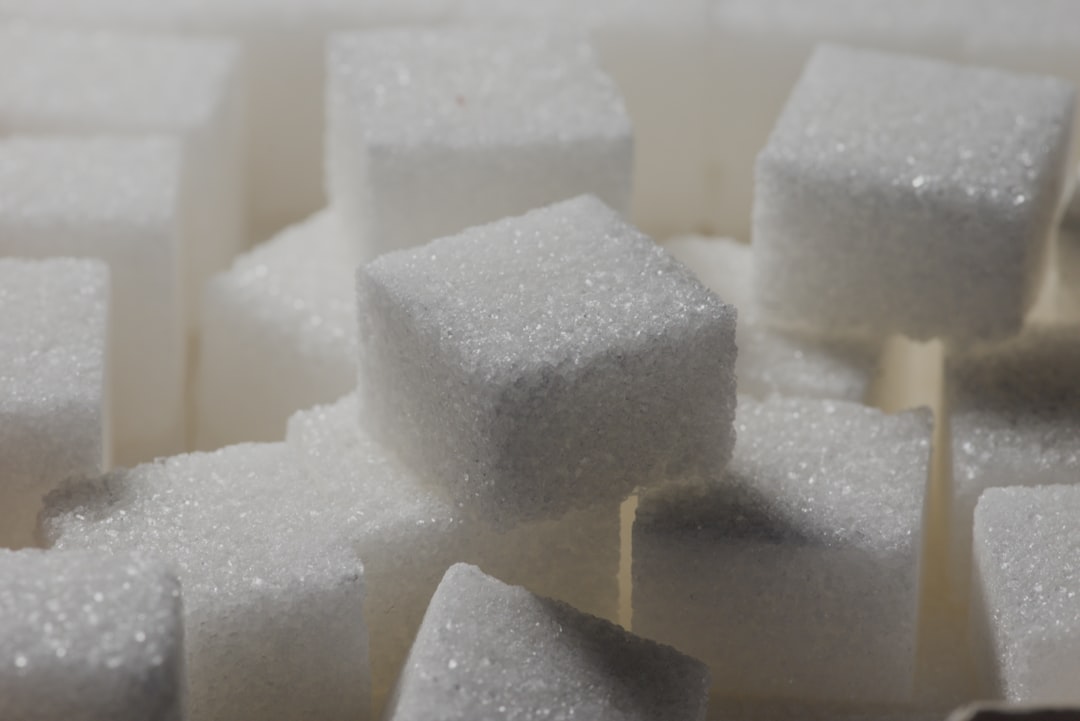
Sugar Is a Drug. Start Treating It Like One.
You wouldn't pour vodka on your cereal. But you're probably pouring 20 grams of refined sugar on it and calling it breakfast. The difference between those two things is marketing, not chemistry.
Sugar activates the same dopamine reward pathways that hard drugs do. That's not a metaphor or an exaggeration. That's neuroscience. And until you understand what it's actually doing to your body, you'll keep wondering why you can't seem to get lean, stay sharp, or feel like yourself.
How Sugar Hijacks Your Brain
Every time you eat refined sugar, your brain releases dopamine. That hit feels good, which is the point. Your brain encodes that feeling and starts building a loop: see sugar, eat sugar, feel good, repeat.
This is the same mechanism behind cocaine, nicotine, and gambling. The research backs it up hard. A 2013 study published in PLOS ONE by Serge Ahmed and colleagues found that rats, given free choice between intravenous cocaine and sugar water, chose the sugar water over 90% of the time. Sugar beat cocaine in a head-to-head.
The problem isn't one hit. It's the cumulative effect of hundreds of dopamine spikes over years. Your receptors downregulate. You need more sugar to feel the same. You start craving it between meals, feeling irritable without it, losing focus when it's not there.
That's textbook addiction physiology. The packaging just looks friendlier.
What Sugar Does to Your Testosterone
This one hits men where it hurts.
A 2013 study in Clinical Endocrinology measured testosterone levels in healthy men before and after they consumed a 75-gram glucose drink. Within two hours, testosterone dropped by an average of 25%. A single glucose load. One soda. One sports drink. A quarter of your testosterone gone for hours.
The mechanism is insulin. When blood sugar spikes, insulin rushes in to manage it. Insulin directly suppresses the Leydig cells in your testes, which are the cells responsible for producing testosterone. The more often you spike blood sugar, the more often you're hitting the brakes on your own hormonal output.
Layer on chronic inflammation from advanced glycation end products (AGEs), the compounds formed when sugar binds to proteins and fats in your body, and you've got a recipe for low T, poor recovery, and a body that fights you instead of working for you.
Most men chasing testosterone optimization are sleeping well, lifting heavy, and taking supplements. That's all smart. But they're still drinking orange juice in the morning and wondering why the needle won't move.
The Withdrawal Is Real (And It Means You Were Hooked)
When you cut refined sugar out, the first three to five days are ugly. Headaches. Irritability. Brain fog. Cravings that feel almost physical. Some guys describe it as feeling like they have a mild flu.
That's not a coincidence. That's withdrawal.
Your dopamine system is recalibrating. The same brain regions that drove you toward sugar are now throwing a fit because the input is gone. It peaks around days three and four, then slowly eases.
Most men quit during this window. They interpret the discomfort as a sign that they "need" sugar, or that cutting it is too extreme. They don't recognize what's happening. They're not failing a diet. They're going through drug withdrawal, and they're not prepared for it.
If you know it's coming, you can outlast it.Stay aggressive with water and protein during those first days. Eat enough fat so your brain isn't starving for fuel. Get through day five, and the cravings drop significantly. By day ten, most people report cleaner mental clarity than they've felt in years.
What Happens After 30 Days
The changes aren't subtle.
Body composition shifts without changing calories. When insulin is consistently lower, your body has more access to stored fat for fuel. Men who eliminate refined sugar for 30 days typically report visible changes in their midsection without doing anything else differently.
Sleep quality improves. Blood sugar fluctuations during the night are a major disruptor of deep sleep. Stabilize blood glucose and you stabilize sleep architecture.
Inflammation markers drop. C-reactive protein, a key marker of systemic inflammation, consistently goes down in low-sugar intervention studies. Joints feel better. Recovery between training sessions shortens.
Mental clarity sharpens. The afternoon crash disappears. Focus becomes more consistent across the day instead of spiking and tanking with each meal. A lot of what men call "brain fog" is just chronic blood sugar dysregulation playing out over time.
And testosterone levels, given consistent insulin control, start recovering.
None of this requires keto. None of it requires starving yourself. It requires eliminating refined sugar: soda, candy, pastries, sweetened yogurt, sports drinks, fruit juice, and the dozens of foods that hide sugar behind names like "cane syrup," "maltodextrin," and "dextrose."
Your Move
Cut refined sugar for 30 days. Not reduced. Cut.
That means reading labels. The threshold to watch: stay under 5 grams of added sugar per serving. Fruit is fine. Whole food carbs are fine. The target is anything processed and sweetened.
Days 1-5: expect discomfort. Drink a lot of water. Eat protein and fat at every meal. Don't interpret the withdrawal as a sign you need sugar. You're not sick. You're detoxing.
Days 6-14: the fog starts clearing. Stay the course.
Day 30: assess. Most men don't go back.
You've probably spent money on pre-workouts, testosterone boosters, and recovery supplements. Most of those give you a marginal edge at best. Cutting sugar gives you a systemic overhaul, and it costs nothing except the discomfort of the first week.
That discomfort is information. It's telling you exactly how hooked you were.